Select your location

Skip to main content

SSG’s trunking and nurse call solutions designed for Modern Methods of Construction

SSG’s trunking and nurse call solutions designed for Modern Methods of Construction

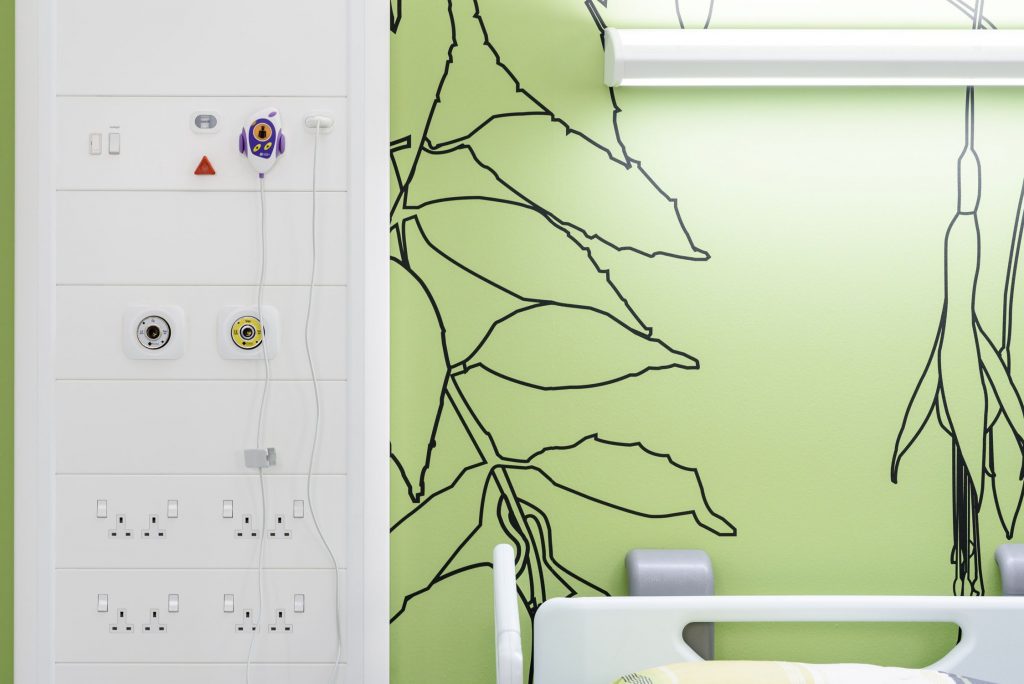
The NHS Digital Strategy sets out the vision for the future of healthcare in the UK, with Modern Methods of Construction (MMC) playing an important role in delivering the strategy. Static Systems’ bedhead services trunking and fully IP nurse call solutions can play a key role in helping project teams to deliver schemes that use modular build techniques – with in-built flexibility for the future.

SSG’s Ultima™ nurse call and critical alarm notification system connects equipment directly to the IP network using standard open architecture that does not require or depend upon any vendor-bespoke controlling hardware, such as power supplies, zone units or servers to facilitate the operation of the system.

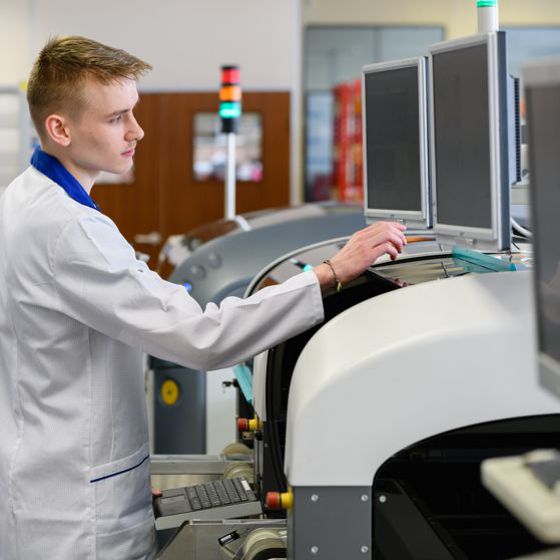
The company’s trunking products have been designed to be delivered to site fully assembled with services pre-installed, tested and certified in line with current standards. Where required, they are gassed and pre-wired with modular wired connectors to provide a cost-saving and time-efficient solution.

Talk to us about your MMC requirements:
Ph: 01902 895551
E: [email protected]

SSG helps healthcare providers embrace the benefits offered by fully-IP nurse call

SSG helps healthcare providers embrace the benefits offered by fully-IP nurse call

Nurse call systems offer features, functionality and integration that go far beyond allowing a patient to attract staff attention. By integrating fully-IP critical alarm and ward communication technology with other existing or emerging healthcare technologies, clinicians benefit from improved communication and collaboration across the clinical space, as well as enhanced workflow efficiency.

Interoperable alarm and communication solutions from Static Systems Group (SSG) are set to be a key facilitator in the shift towards digitalised hospitals, helping to improve patient safety and free up more time for staff to care. The technology can be easily and cost-effectively integrated as part of an upgrade to a facility’s existing infrastructure – or can be designed into new build projects.

Fully-IP systems also provide the benefits of wireless technology such as RF connection of devices, but with the resilience and reliability of wired technology.

SSG helps healthcare providers embrace the benefits offered by fully-IP nurse call, including:
• Improving patient safety – real-time location sensors alert staff to a patient leaving their bed area, and room lighting can automatically operate to guide the patient safely to their destination

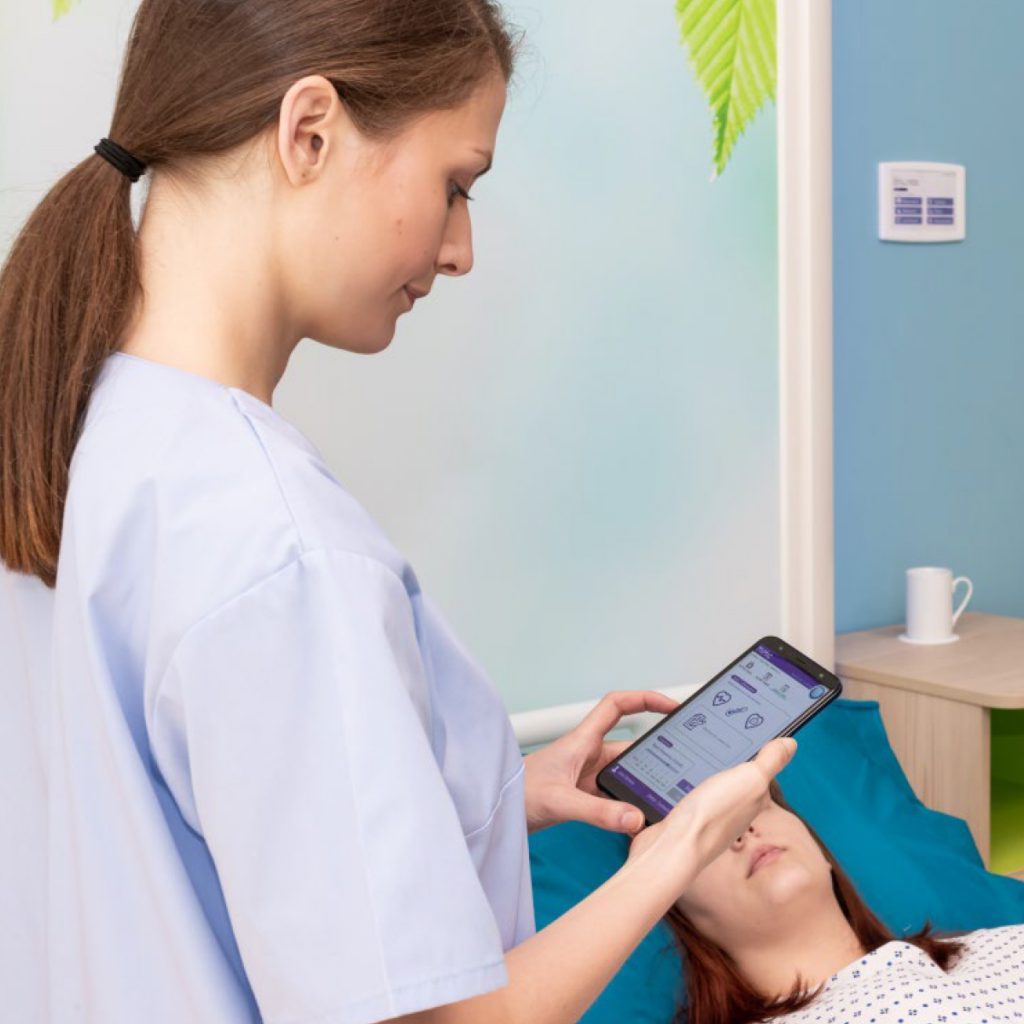
• Improving the patient experience – by providing patients with speech-enabled nurse call hand units and staff with smartphones, patients can speak immediately with staff. Alarm buzzers are replaced with notifications on staff smartphones or tablets creating a quieter, calmer environment

• Improving staff well-being and safety – replacing alarm buzzers with smartphones also reduces alarm fatigue and cognitive overload, while real-time location devices worn by staff assist in summoning assistance to the correct location in the event of an incident and help with task management by alerting the nearest available member of staff to a call

• Supporting workflow – staff receive only relevant and active events that have been automatically triaged and prioritised, and collaboration and communication can be improved when the nurse call system is connected with services in the hospital such as catering, housekeeping and portering

Talk to us about creating a connected hospital:

Ph: 01902 895551
E: [email protected]

Legacy nurse call system upgrades in ‘live’ environment at St Richard’s Hospital, Chichester

Legacy nurse call system upgrades in ‘live’ environment at St Richard’s Hospital, Chichester

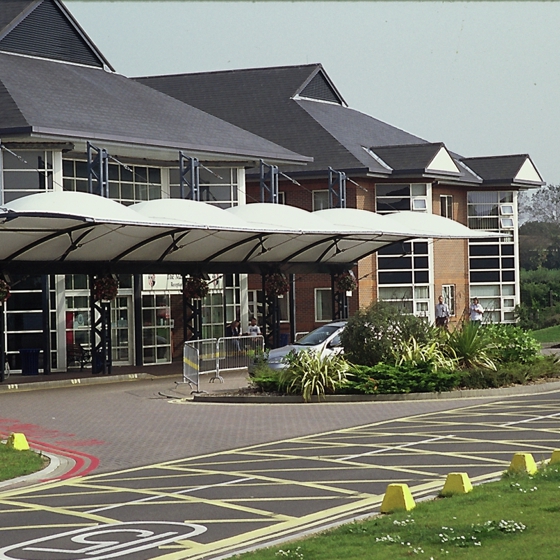
SSG has completed a nurse call system upgrade of three wards at St Richard’s Hospital in Chichester, West Sussex. The district general hospital provides a full range of general acute services, including A&E, maternity, outpatients, day surgery and intensive care. St Richard’s Hospital is operated by Western Sussex Hospitals NHS Foundation Trust.

SSG was initially awarded the contract to replace only one of the hospital’s aging Codem2 nurse call systems, however on evaluation of the hospital estate and the age of systems installed, the Trust decided to extend the contract to cover the nurse call system upgrade of two further wards in order to deliver more dependable patient-to-nurse communication, and reduce the Trust’s exposure to risk.

Works began in January 2020 but when the first COVID-19 lockdown came into force in mid-March, SSG’s access to the site was restricted which meant an unforeseeable delay of two months to the project.

Once allowed back on site – and in order to deliver project completion in the shortest possible time – upgrade of all three systems took place concurrently. Most of the work was undertaken during normal working hours, with some evening and weekend work taking place as required.

A temporary wireless nurse call system was put in place while installation of the new systems was in progress; allowing work to be undertaken within a ‘live’ hospital environment, with minimum disruption to patients and staff. Following completion of the upgrade works in late May 2020, the temporary systems were removed and handed over to the Trust for future use.

SSG engineers stripped the legacy Codem2 nurse call systems out of the hospital’s Bosham, Wittering and Ashling Wards and replaced them with like-for-like equipment from the company’s Codemlon™ range. Codemlon™, SSG’s addressable loop wired nurse call solution, is designed to support improved patient safety and well-being, and to provide an extensive range of advanced healthcare communication solutions to assist front-line staff.

All of the wards’ legacy nurse call equipment – including the wiring and handsets – was replaced. The patient mini hand units supplied as part of the upgrades contain the Biomaster silver-based antimicrobial agent which is incorporated during the manufacturing process to help further strengthen the infection control measures instigated by the hospital. Most of the hand units supplied incorporate lighting control.

The existing wall-mounted nurse call panels were replaced, after de-commissioning, with blanking panels and separate bedlight bracket panels. Alongside, new Modus Vertical trunking with integrated nurse call facilities, was provided. Modus Vertical trunking has been designed with build efficiency and ease of installation in mind, making it an ideal solution for ‘fast-track’ refurbishment projects such as the upgrades at St Richard’s Hospital.

The wards’ existing System 220 horizontal trunking – also originally provided by SSG – was retained, with new Codemlon™ compatible nurse call bedhead plates manufactured and fitted.

“This project is the latest in a number of nurse call upgrades we have undertaken on behalf of the Western Sussex Hospitals NHS Foundation Trust. Despite the first COVID-19 national lockdown causing delays to the works, once our engineers had access to the site, the installation process went very smoothly. And, to reduce the length of time our engineers spent on site, we carried out the work on all three wards concurrently,” comments Chris Meilak, SSG’s Project Manager on the St Richard’s Hospital upgrade.

“SSG specialises in undertaking ‘live’ engineering works in healthcare environments – it’s something that we have extensive experience of and we are proud to be able to deliver this for our clients as it minimises disruption to the nursing staff and patients; allowing work to take place which would otherwise be very difficult to undertake. On this particular project we provided a temporary wireless nurse call system to cover the wards for the duration of the upgrade works. This meant there was no requirement to close the wards during the installation of the new systems.”

SSG was tasked with the design, supply, installation and commissioning of the new nurse call systems.

In just six weeks and on budget, Static Systems Group designs, builds and installs nurse call system for temporary isolation hospital on Lantau Island, Hong Kong

In just six weeks and on budget, Static Systems Group designs, builds and installs nurse call system for temporary isolation hospital on Lantau Island, Hong Kong

Static Systems’ unrivalled expertise and proven track-record in the region has been instrumental in the company being awarded the contract to provide advanced nurse call communication for the North Lantau Hospital Hong Kong Infection Control Centre (HKICC); a temporary isolation hospital funded by the central government for treating COVID-19 patients in the Hong Kong Special Administrative Region (HKSAR).

Built next to another treatment facility at Asia World-Expo, the hospital is capable of providing 136 wards and 816 negative pressure beds. It covers a land area of 30,000 square metres and comprises six inpatient buildings, a medical centre and other facilities. Its design is in line with the standards required for a permanent structure.

Advanced technology makes a tight deadline possible
To build a hospital of this scale in Hong Kong would normally take four years, however, with new building technology and construction going on around the clock, the project was completed in just four months.

Recognising the urgency for project completion and the intention to provide unprecedented safety for patients and staff, Static Systems Group (SSG) recommended its Ultima™ Full IP, Power-over-Ethernet (PoE) nurse call system which is recognised world-wide for its resilience and reliability.

On this project the use of Ultima was instrumental in meeting the extremely short installation programme. Ultima is designed to be rapidly and easily deployed using industry standard LAN, with the added benefit that each system operates on the principal of distributed intelligence and is therefore capable of running independently of the network at ward level – a feature that helped with speeding up testing.

In order to assist the hospital in achieving its vision, the system included a patient-to-staff speech facility at each bedside.

The benefits of voice communication – whereby calls are responded to by way of a phone conversation – has come to the fore during the pandemic. Deploying patient-to-staff speech enables initial call assessments to take place prior to any bedside visits; negating the need for the nurse to enter the room at all or allowing any preparation to be carried out beforehand and only a single visit required for the minimal amount of time. As such, the risk of infection transmission is significantly reduced, and the amount of PPE used is far lower.

Ultima is also a software controlled, easily scalable solution that uses the latest IP protocols; allowing seamless integration with many different technologies in order to achieve site-focused functionality based around individual hospital culture. This allows for greater flexibility should there be a need to expand the system in the future, and on the HKICC project allowed the nurse call system of operation to complement the use of negative pressure systems.

Highest standards of infection control
HKICC is the first hospital in Hong Kong to have every room equipped with a negative pressure system. As such, its construction was immensely complex. The air in the hospital rooms is refreshed 12 times per hour and 99.97% of viruses can be filtered. Every room is equipped with a delivery window that can be locked from both sides. Any items transferred through the window can be disinfected. Doors have been installed with a sensing system that allows patients and medical workers to pass through without touching the handle.

Patient hand units with infection control in-built
Patient hand units supplied on the project contain a silver-based antimicrobial agent which is incorporated during the manufacturing process to help further strengthen the infection control measures instigated by the hospital. Importantly, the active agent will not degrade over time. Units are also sealed to IPX7 and can be immersed in a disinfectant solution or cleaned with a sterilising wipe to eliminate bio-hazards and reduce cross-infection risks between users.

Partnership working to reduce lead time
Installation and commissioning were completed during January 2021 followed by intense cleaning ready to accept patients. As the construction plan was only 4-6 weeks from receipt of the purchase order, Static Systems Group in the UK liaised closely with its long-established partner, Static Systems Hong Kong, to arrange pre-order drawings for approval to reduce the lead time in its UK manufacturing plant. This led to a standard front plate being fitted into the Chinese-built medical supply units installed into the hospital’s modular wards, and subsequently allowed the project to be completed on time and within budget.

Remote technical support
The remote diagnostic features included with the Ultima nurse call system enabled minor commissioning issues to be quickly rectified locally by Static Systems’ Hong Kong engineers with the support of Static Systems’ technical support team based in the UK.

Ultima has been deployed worldwide by Static Systems Group, including recent projects in South America, Asia and the Middle East.

Static Systems Group welcomes Halma as its new owner

Static Systems Group welcomes Halma as its new owner

Static Systems Group (SSG) is delighted to announce that it has been acquired by Halma, a FTSE 100 global group of life-saving technology companies.

Halma, headquartered in the UK, is driven by a clear purpose to grow a safer, cleaner, healthier future for everyone, every day which is highly aligned with SSG’s values, strategy and culture. SSG will be joining Halma’s Medical division and will benefit from the expertise and international reach of the global group while maintaining autonomous day-to-day operation of the business and the strong connections it has with employees, customers and suppliers.

SSG’s technology, integration expertise and market presence will complement Halma’s existing Medical sector technologies.

“We are looking forward to being part of such a successful and purpose-driven group that can help take the company to the next level of growth, comments SSG’s Marketing Manager, Jennifer Terry.

“Our life-critical alarm and communication solutions sit perfectly alongside those of the other companies in the Halma group. Our advanced nurse call solutions, for example, have seamlessly integrated for some time with CenTrak’s Real-Time Locating Systems (RTLS), helping to enhance the patient experience, keep patients and staff safe, and empower care teams.

“We also have long-standing supply relationships with other Halma operating companies including Apollo Fire Detectors and Advanced, with the latter providing most of our fire alarm panels. With SSG’s design expertise, project management and installation experience, supported by comprehensive service and maintenance offering, we see this being a perfect relationship to holistically grow our fire alarm presence.”

Bill Stoval, the new Chair for SSG comments: “SSG’s culture of working in partnership with customers to build long-term relationships focused on mutual success provides a platform to invest in and explore new ways to create safer, healthier environments. We see new opportunities to help users of our systems address their challenges through deeper technical and clinical integration, with the capability to provide bespoke solutions tuned to specific needs.”

Halma employ over 7,000 people in 20 countries, with major operations in the UK, Europe, the USA and Asia Pacific.

SSG helps largest critical care facility in the capital get ready for Covid

SSG helps largest critical care facility in the capital get ready for Covid

In order to prepare for the predicted rapid rise in the number of COVID-19 cases in the capital, the Bart’s Health NHS Trust made the decision to fit out a brand new 176-bed Critical Care Unit in an area spanning the 14th and 15th floors of the hospital which had been left at shell and core at the time of the PFI scheme handover in 2012.

SSG was one of a number of specialist sub-contractors brought on board to fit out the new Critical Care Unit from scratch in just five weeks in order to have the new facility ready to accept patients from 1st May 2020. SSG was appointed by one of the project’s M&E contractors, ABCA Systems Ltd, to install the unit’s nurse call system and bedhead services trunking, and to provide a fire alarm interface between the unit’s new fire alarm system and the existing SSG site-wide fire alarm network.

The main challenge on this project was to design and manufacture all of the nurse call and bedhead services trunking equipment in an extremely short space of time to enable onsite mobilisation in a working hospital.

An order was received at the end of March and SSG was advised that all systems had to be operational by the 1st May. Within a week or so of getting the drawings approved by ABCA Systems Ltd and the Trust, the first fix equipment was on site.

A project of this type would typically take around eight or nine months to complete, but the SSG team completed the works in just 18 days, working from 7am-7pm every day, including weekends, to build, install and test the nurse call system and bedhead services trunking on site. Some of the company’s engineers worked away from home for the duration of the works.

Chris Meilak, Project Manager on the Royal London COVID-19 project, comments: “This extremely rapid deployment was only made possible due to the excellent co-operation and communication between all members of the SSG project team. Everyone from our factory and manufacturing teams through to our stores, CAD engineers, technical services department and our onsite installation team worked brilliantly together in order to get this challenging project delivered on time. Our collaborative approach to working with ABCA Systems Ltd, one of the main contractors on the project, worked really well and the project also benefitted from our knowledge and experience of previous similar schemes. We managed to have the systems installed, tested and commissioned ready for handover on 27th April, four days ahead of schedule.”

To add to the challenge of meeting the tight project deadline, the design for the unit was constantly evolving which meant we had to adjust our designs for the nurse call system and bedhead trunking while on site.

Furthermore, works had to be aligned and operate in conjunction with all the other suppliers and contractors working under pressure on the project, which proved challenging at times.

UK-China delegation visit SSG’s Design & Innovation Centre

UK-China delegation visit SSG's Design & Innovation Centre

On 14th November 2019 we were delighted to welcome delegates from the 2019 UK-China Green Hospital Summit to our Design & Innovation Centre at our headquarters near Wolverhampton.

Co-organised by The Building Centre, MIC and China Design Centre, and supported by Healthcare UK, this year’s summit was held in London from 11th – 17th November and brought together influential Chinese hospital and state-owned company leaders, government officials and healthcare architects for an interactive discussion with UK healthcare specialists about smart and sustainable hospital design and development.

Subjects explored included: future trends in UK and Chinese hospitals; smart hospital systems and their design and construction; the use of green materials and digital innovation in health management.

We were thrilled that our Design & Innovation Centre was chosen as a venue for a site visit during the summit. 14 of the summit’s Chinese delegates joined our managing director, product manager and head of sales who, through an interpreter, outlined the leading-edge technology being incorporated into our nurse call, patient safety and healthcare communication solutions.

The aim of the UK-China Summit, the third since 2015, was to strengthen the academic and practical exchanges of co-operation between the two countries. Accordingly, British healthcare experts and architects connected with Chinese hospital leaders in order to understand the trends of the smart hospital development – helping to facilitate collaborative opportunities between the UK and China within the healthcare industry.

We welcome healthcare specialists, clinical teams, design groups, constructors and other interested parties to our Design & Innovation Centre. To find out more or to arrange a visit, email: [email protected]

Complex fire alarm upgrade at Royal Papworth

Complex fire alarm upgrade at Royal Papworth

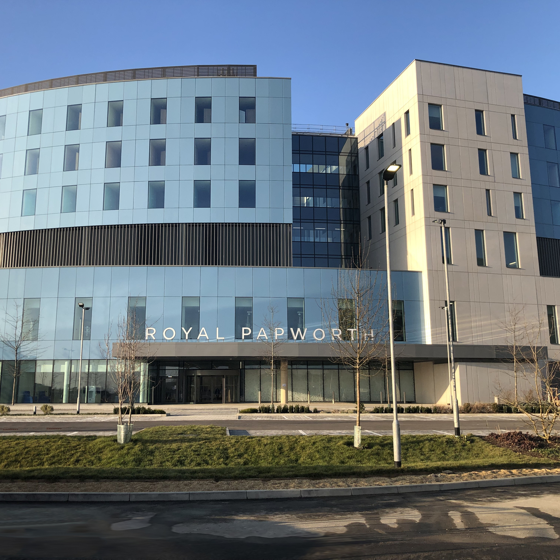
SSG has been appointed to design, supply and install the fire alarm and management system at the new Royal Papworth Hospital, a state-of-the-art specialist heart and lung hospital situated adjacent to Addenbrooke’s Hospital.

The new system encompasses 15 networked fire alarm panels and in excess of 4,000 addressable devices, including 1,900 detectors. The system was overseen by Skanska’s appointed building services engineers, Troup Bywaters + Anders, who also set the outline brief.

The new hospital features:-

  • Five operating theatres, five catheter laboratories and two hybrid theatres.
  • 14 isolation rooms.
  • Approximately 300 single beds, plus a 46-bed critical care unit and 24 day beds – most of which are en-suite individual rooms.
  • A centrally located Outpatients Unit offering a wide range of diagnostic and treatment facilities.
  • An atrium on the ground floor with a restaurant, coffee shop and convenience store.

One of the biggest challenges we had to address during the design process was the significant requirement for the site-wide fire alarm system to interface with different systems – including fire dampers, air handling plant, and smoke extraction – in order to provide a completely integrated system that manages the air flow and smoke extraction to safely direct smoke throughout the building. In addition, the system also interfaces with security, nurse call and sprinkler systems.

Chris Smith, Head of Project Delivery at Static Systems Group, explains: “With different systems and equipment being installed simultaneously, there was a significant amount of co-ordination required to ensure they would interface together. We also needed to understand where they were being installed and how they were being fitted to ensure there were no physical clashes of equipment and materials.”

When working on a new build project of this scale, early engagement and close collaboration with all parties involved in the design and supply of the fire engineering systems are essential to its success. In the case of the new Royal Papworth Hospital, those suppliers responsible for the fire alarm, building management systems, damper and duct work worked closely together from the outset.

During the design process, for example, frequent project meetings were held on site where representatives of the suppliers came together with Skanska’s construction team and Troup Bywaters + Anders to discuss design issues and integration requirements.

Chris explains the benefit of this approach: “Early engagement made a huge difference to the progress of the project. Our early engagement throughout the pre-construction phase meant we could provide detailed advice on our system rather than a generic product being built into the scheme at a very early stage. This meant that by the time construction started, we already had a robust design.”

Evacuation planning was also a key consideration when designing the fire engineering system for the new Royal Papworth Hospital. In the event of a fire, hospitals typically have a phased evacuation process, whereby a fire in a zone would result in the affected zone being evacuated and adjacent areas being given an alert. However, at the Royal Papworth Hospital, the Trust wanted to create a bespoke operation when it came to the ward areas. As each ward area went across more than one of the fire zones for the building, the Trust wanted an evacuation process based on the ward areas rather than on the fire zones. We were able to design the system to meet this requirement.

Following the installation of the fire engineering system at the Royal Papworth Hospital there was a considerable period of testing to ensure that all the systems met the rigorous criteria of Skanska and its client, Royal Papworth Hospital NHS Foundation Trust.

The whole installation and testing period went very well, and the Royal Papworth Hospital’s patients, staff and visitors are now protected by a reliable and highly sophisticated system that will have a significant lifespan.

We will continue to be actively involved in the site, providing ongoing system maintenance in partnership with the hospital’s facilities management company.